
Case Study: Emily's Story - Living Through Fragmented Mental Health and Neurodevelopmental Care
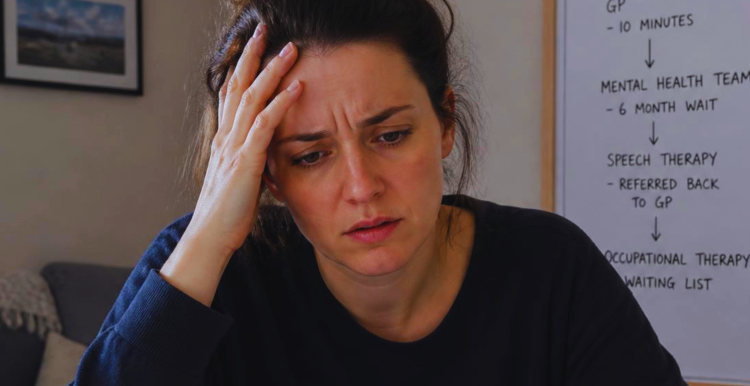
Overview
Emily is a young adult who has accessed mental health and neurodevelopmental services across Hertfordshire, Norfolk, and Cambridgeshire and Peterborough. Her story highlights the challenges of moving between different NHS systems, delays in diagnosis and treatment, and difficulties accessing consistent support for neurodevelopmental conditions. Emily’s experiences reflect wider trends in our feedback, where overall feedback on mental health and neurodevelopmental services is 68% negative.
Early Mental Health Support and Changing Diagnoses
Emily first began accessing mental health services as a teenager while living in Hertfordshire. She sought support for anxiety and depression, receiving multiple diagnoses, including borderline personality disorder (BPD) and later bipolar disorder. However, in 2021, while living in Norfolk, Emily received an autism diagnosis through an independent assessment, which she feels is the most accurate explanation of her experiences. She believes earlier diagnoses misinterpreted her underlying neurodevelopmental needs.
Emily reflects that her experience shows how complex mental health presentations can be misdiagnosed when autism is not initially identified. This is relevant as 19% of those getting in touch about these services are autistic, and 29% of those who are autistic also have mental health needs and learning disabilities.
Navigating Multiple Services Across Counties
Emily has accessed services across three different NHS systems: Hertfordshire, Norfolk, and Cambridgeshire and Peterborough. She describes this as extremely challenging, as each move required her to restart assessments and referrals.
In Cambridgeshire, Emily attempted to transfer ongoing support through her GP practice but faced inconsistent understanding between different GPs. Eventually, she found a GP who understood her situation and took a structured approach to referrals and care planning. Emily was referred to a specialist community mental health pathway intended to provide skills-based therapy for individuals with complex emotional and neurodevelopmental needs.
This experience reflects wider feedback received about local mental health services, which account for 25% of all feedback related to mental health and neurodevelopmental services.
Accessing Local Mental Health Services
Despite her hopes, Emily faced long waiting times of around nine months, during which she received no interim support. She found it difficult to manage work and daily life while waiting, especially with short notice for appointments. Long waiting times and delays are common concerns, representing 26% of feedback regarding mental health and neurodevelopmental services.
Emily missed an appointment due to receiving an email with only a few days' notice and was discharged from the service. This was distressing, particularly given the lack of flexibility in communication methods, especially since the service was designed to support autistic people. Although she was later re-referred, ongoing delays and uncertainty remain.
Barriers Within Mental Health Pathways
Emily describes repeating difficulties across services, such as being discharged due to missed communications, repeated cycles of referral and rejection, and limited understanding of her neurodevelopmental needs. She feels that services often do not take into account previous assessments, meaning she must repeatedly explain her needs from the beginning. These concerns align with wider data, where 35% of feedback regarding mental health and neurodevelopmental services relates specifically to access issues.
The Role of Primary Care
Emily's experiences with GP services were mixed. Earlier interactions felt dismissive, but her experience improved when she saw a GP who took a personalised approach, recognising her neurodevelopmental history and providing continuity of care. This was the first time she felt there was a clear and supported pathway through services.
Impact on Daily Life and Work
Emily explains that her mental health and neurodevelopmental needs significantly impact her working life. She experiences “autism burnout,” where she can maintain employment but needs extended time away to recover. Delayed support during difficult times adds to her challenge. Stable housing and partner support have helped her manage.
Communication and Accessibility Barriers
A key theme in Emily’s experience is the lack of flexible communication from services. She highlights that reliance on email-only communication has been a barrier. Services should consider alternatives, like phone calls or letters, and offer more flexible appointment systems.
Where Services Worked Well
Emily identifies positive aspects of her care, including a supportive GP and access to a formal autism diagnosis that accurately reflects her experiences.
What Could Improve
Emily suggests several service improvements:
- Better continuity of care when moving between counties.
- Reduced reliance on self-navigation of complex systems.
- Improved communication methods tailored to individual needs.
- Greater flexibility around attendance policies.
- Clearer coordination between GP, mental health services, and specialist teams.
Emily’s Reflections
Emily believes the lack of joined-up support between services is a significant challenge. Navigating multiple providers can be particularly difficult for autistic people, especially without family and partner support.
Ongoing Support Needs
Emily is still awaiting support from a specialist community mental health pathway and finds the ongoing wait particularly difficult due to her neurodevelopmental needs.
Advice to Services
Services could improve by:
- Recognising neurodivergent needs earlier.
- Avoiding automatic discharge without exploring communication barriers.
- Ensuring flexibility in engagement methods.
- Providing clearer, consistent pathways between services.
Emily’s story highlights wider issues in accessing mental health and neurodevelopmental services, particularly for autistic individuals navigating complex systems.
Get in Touch
If you or someone you know has experience of accessing mental health or neurodevelopmental services in Cambridgeshire and Peterborough, we want to hear from you. Your feedback helps us understand what is working well, where improvements are needed, and how local services can better support people. Our team can also provide information and signposting support.
Email: enquiries@healthwatchcambspboro.co.uk
Phone: 0330 355 1285
Address: Healthwatch Cambridgeshire, Maple Centre, 6 Oak Drive, Huntingdon, PE29 7HN
Websites: www.healthwatchcambridgeshire.co.uk or www.healthwatchpeterborough.co.uk