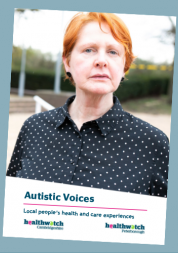
Neurodiversity Report - Barriers autistic young people face when accessing primary care services
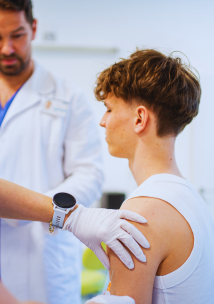
This report explores the barriers autistic young people face when accessing primary care services across Cambridgeshire and Peterborough, with a particular focus on GP experiences. It draws on interviews, workshops, and co-produced research with autistic young people, parents, carers, and health professionals to better understand what is working well and where improvements are needed.
The findings highlight three key areas of concern: communication differences between patients and healthcare professionals, inflexible systems and processes, and sensory challenges within GP environments. While examples of good practice were identified, the report shows that experiences remain inconsistent, leading to avoidable inequalities in access to care.
Co-produced with autistic 'experts by experience', the report sets out practical, evidence-informed recommendations to improve accessibility, including better communication support, sensory-aware environments, improved continuity of care, and the use of autism health passports. It also emphasises the importance of involving autistic people in the design and delivery of services to ensure care is truly person-centred.
This work aims to support GP practices, commissioners, and policymakers to make meaningful changes that improve access, trust, and health outcomes for autistic young people. Download and read a copy of the full report below.